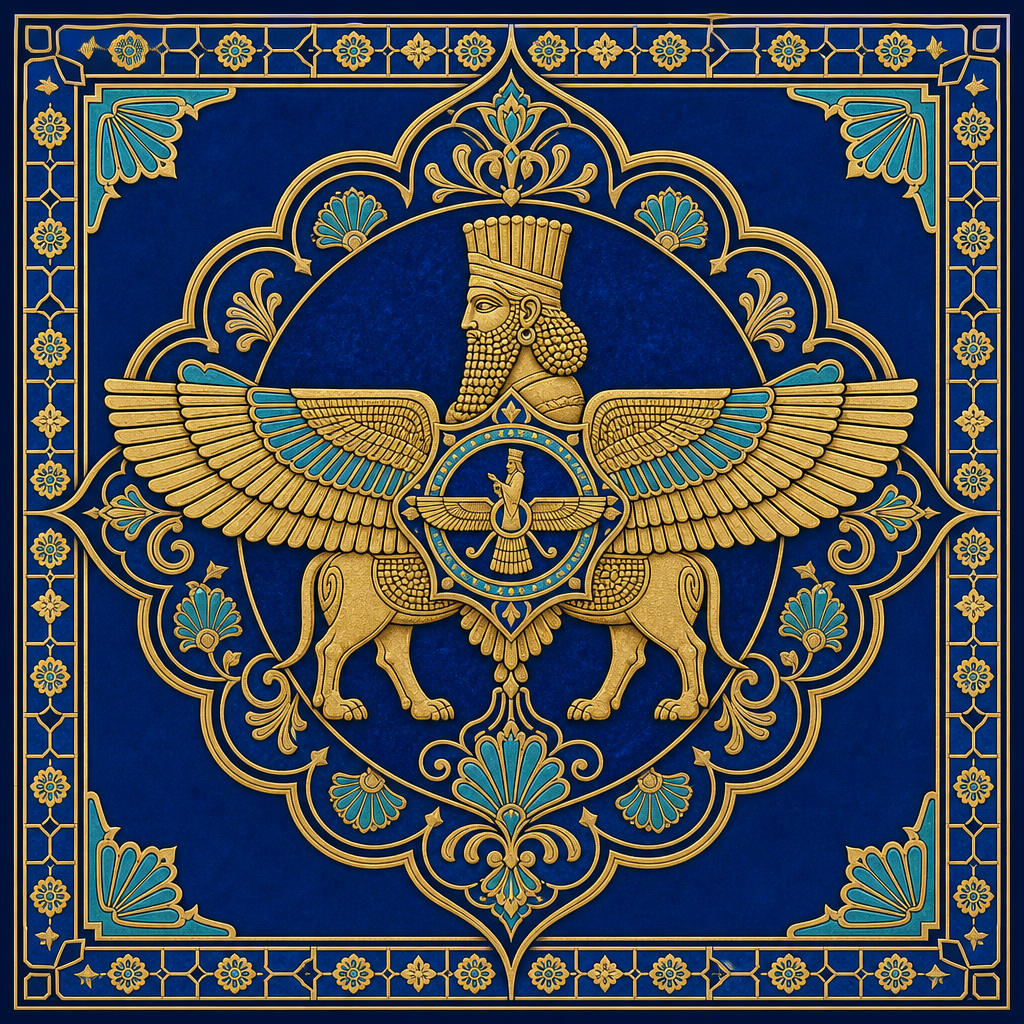

The Haft-Sin Table
Haft-Sin is the ceremonial table of the Persian New Year: seven items whose names begin with the Persian letter س, each standing for a virtue the household hopes to carry into the new year. Here is every item explained, what goes beside them, and how to set the table step by step.
What is Haft-Sin?
Haft-Sin (هفتسین) is the Nowruz table of seven symbolic items whose Persian names all begin with the letter س (sin) — sabzeh, samanu, senjed, seer, seeb, somaq and serkeh. It is set a few days before the Persian New Year, stays in the main room of the house for the thirteen days of the festival, and is the place the family gathers at the exact moment of the spring equinox.
The seven S items and what each one means
| Item | Persian | What it is | Symbolism |
|---|---|---|---|
| Sabzeh | سبزه | Wheat, lentil or mung-bean sprouts grown in a dish | Rebirth and the return of green to the earth |
| Samanu | سمنو | Dark sweet pudding made from sprouted wheat germ, no added sugar | Affluence, power and the reward of patience |
| Senjed | سنجد | Dried fruit of the oleaster (Russian olive) | Love and the wisdom that comes with it |
| Seer | سیر | Garlic, usually a whole braided head | Health, medicine and protection from harm |
| Seeb | سیب | Red apples, sometimes in a bowl of water | Beauty and physical wellbeing |
| Somaq | سماق | Crushed sumac berries | The colour of sunrise — the victory of light over darkness |
| Serkeh | سرکه | Vinegar, traditionally home-fermented | Age, patience and the acceptance of time |
Regional tables substitute freely. Some households use sonbol (hyacinth) or sekkeh (coins) in place of an item they cannot find, and Zoroastrian families in Yazd and Kerman keep older forms with senjed replaced by dried mulberries. The seven-fold structure, not the exact contents, is what the tradition protects.
What else goes on the Haft-Sin table
| Object | Persian | Meaning |
|---|---|---|
| Mirror | آینه | Reflection on the year past; placed at the back so it doubles the candlelight |
| Candles | شمع | The fire of Ahura Mazda and enlightenment — traditionally one candle per child |
| Painted eggs | تخممرغ رنگی | Fertility and the human race; one per family member |
| Goldfish in water | ماهی قرمز | Life, movement and the end of the astrological sign of Pisces |
| Coins | سکه | Prosperity and the wealth of the coming year |
| Hyacinth | سنبل | The scent of spring arriving |
| Rosewater | گلاب | Purification of the house and its air |
| Book of poetry or scripture | دیوان حافظ / شاهنامه / قرآن | Read aloud at the equinox moment; a Hafez fal is the most common |
How to grow sabzeh and set the table
Sabzeh is the only item that has to be made rather than bought, and it sets the calendar for everything else. Count back about two weeks from the equinox.
| Day | Step | Detail |
|---|---|---|
| −14 | Soak | Cover wheat berries, lentils or mung beans with water and leave for 48 hours, changing the water once. |
| −12 | Drain and rest | Drain, cover with a damp cloth, and keep at room temperature until white tails appear. |
| −10 | Spread | Spread the sprouted grain evenly in a shallow dish or on a plate; do not submerge. |
| −9 to −3 | Water daily | Mist or lightly water each day; keep out of direct sun so the sprouts stay soft and green. |
| −2 | Shape and tie | Once the grass is a dense cushion, tie a red or green ribbon around it. |
| Nowruz | Display | Place the sabzeh at the front of the sofreh, beside the samanu. |
| +13 | Release | At Sizdah Bedar, cast the sabzeh into running water — it carries away the household's misfortune. |
Where the seven comes from
Seven is a Zoroastrian number: the Amesha Spentas, the seven holy immortals who each guard one part of creation — fire, water, earth, metal, plants, animals and humanity. Pre-Islamic accounts describe a spring table of seven items placed on seven trays, and Sassanid court records describe seed of seven grains sown in seven pillars before Nowruz as an augury for the harvest.
Some scholars argue the older form was haft-chin ("seven gathered things") or haft-shin, organised around the letter ش. After the Arabic script replaced Pahlavi, the letter س became the organising rule and the modern list settled — but the number, and the idea of laying out creation in miniature on a cloth, is far older than the alphabet that names it.
Haft-Sin — frequently asked questions
Related reading
The exact equinox moment of Nowruz 2026 in every timezone, the 13-day calendar, and the Haft-Sin table item by item.
Spring equinox, Haft-Sin, Chaharshanbe Suri and Sizdah Bedar — Iran's 3,000-year-old UNESCO new year.
Nowruz, Yalda, Mehregan, Sadeh, Tirgan — the ceremonial year.
Saffron, rice, kebab, stews, tea and sofreh — the Persian table.
Zarathustra, Ahura Mazda and the fire — the ancient Iranian faith that shaped Judaism, Christianity and Islam.
Taarof, hospitality, festivals, music, and everyday life.